
1 liter of olive oil leaves behind 7 liters of toxic wastewater.
Colea treats it with a fungus, inside a bioreactor, and hands mills back fertigation water — irrigation and fertilizer in a single stream. One step, no drain.
Colea, straight from the founder
The phytotoxicity problem, the fungal enzymes that break it down, and the bio-fertilizer that comes out the other side.
Where the olive oil industry hides its cost
Olive mill wastewater (OMWW) is high in phenols, acidic, and dark — dumped untreated, it poisons soil and groundwater and carries plant disease. Most mills have no affordable way to treat it.
Close the loop, not the drain
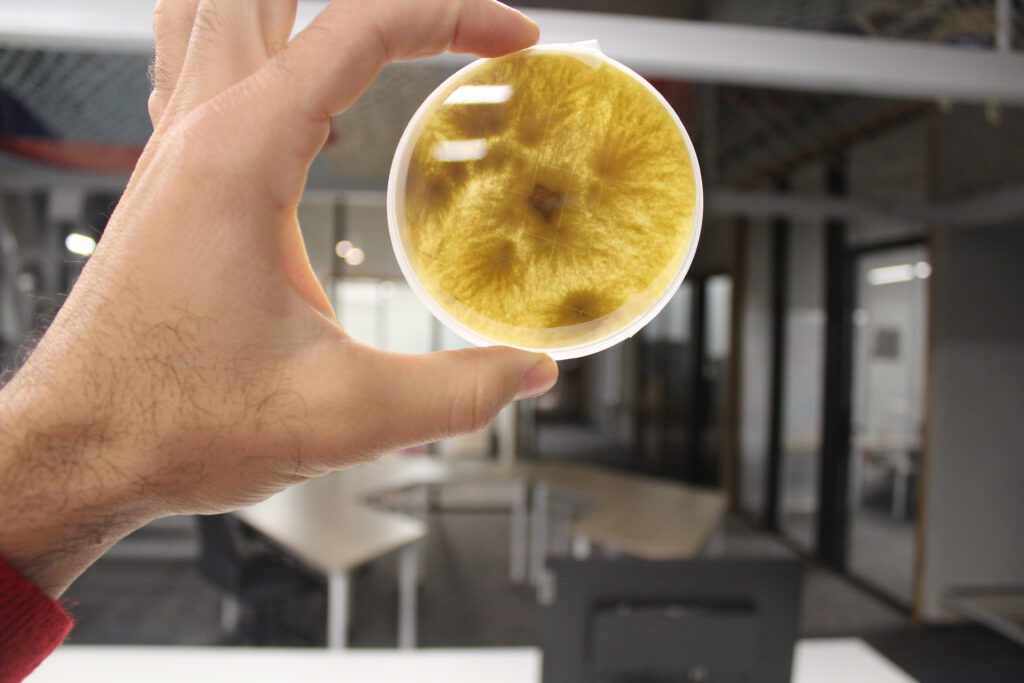
A fungal strain isolated from Palestinian olive groves breaks down the phenols and organic load in OMWW inside a bioreactor. What comes out isn’t wastewater anymore — it’s fertigation water, ready to go back on the land that grew the olives.
Commercially viable as one step — no separate treatment stage and no separate fertilizer input.
Backed by the lab, not just the pitch
Over three decades of olive-mill microbiology research sit behind the strain, published and peer-reviewed. A patent filing with the European Patent Office is planned once the Tunisia pilot closes.
DOI: 10.1111/wej.12771
COD (chemical oxygen demand) measures the water’s overall organic pollution load — a broader marker than phenols alone, and treatment success on both is what matters.
Corresponding author Prof. Dr. Mazen Salman, Palestine Technical University – Kadoorie, is Colea’s scientific advisor.
Key nutrients rise as the fungus does its work
Water-soluble nutrient content, treated vs. untreated Zibar (OMWW) — independent lab analysis.
Nitrogen is the exception — total N drops slightly with treatment (some lost to denitrification), so Zibar is used as a K/Ca/Mg/P-rich supplement alongside standard N fertigation, not a complete fertiliser on its own.
From petri dish to pilot mill
The PolyBloom bioreactor
Being manufactured now with our partner Innovations et Services Industriel in Sfax, Tunisia — the same team building the unit for the Tunisia pilot. Industrial-grade, stainless steel, engineered specifically for olive mill wastewater.
Partners and supporters along the way
Foundations & programs
- Circular Valley, Wuppertal
- ChangemakerXchange gGmbH, Berlin
- Asfari Foundation / Bloom.pm, UK
- Orange Corners Innovation Fund, Netherlands
Start-up & innovation partners
- Start2 Group GmbH, Munich
- Start-Up Center, Bergische Universität Wuppertal
- IHK Bergische Industrie- und Handelskammer Wuppertal
Mills we’ve worked with
- Andania Gaia mill, Greece
- OEL Berlin, Germany
- Canaan Fairtrade, Palestine
Mills we’re talking to
- California Olive Ranch, USA
- Il Fiorello Olive Oil, USA
Events & networks
- RadMyco, Oregon, USA — invited to teach fungal bioremediation, 2024
- Ministry of Agriculture, Tunisia
- Startup Act Tunisia
The real economics behind the problem
Sourced, not estimated — bottom-up from published production volumes and treatment costs.
OMWW volume & treatment cost: Springer, Environmental Science and Pollution Research (2024); IWA Publishing, Journal of Water Reuse and Desalination, techno-economic analysis of OMWW treatment.
The people building Colea
Circular economy, plant pathology, biotechnology, and bioreactor engineering, working on one problem together.
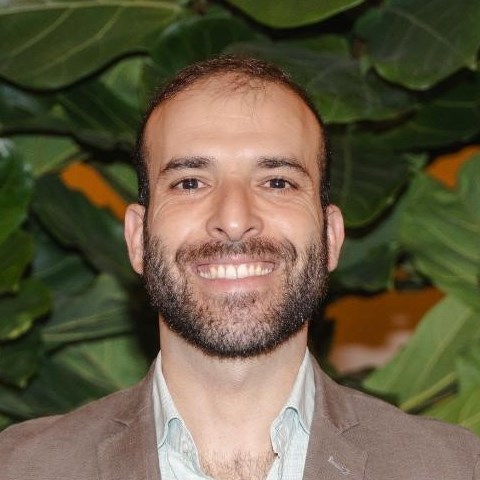
Thaer Tafesh
Circular economy and vision. Founder Institute and Circular Valley alumnus.

Matthias Würtenberger
Strategy and olive permaculture.
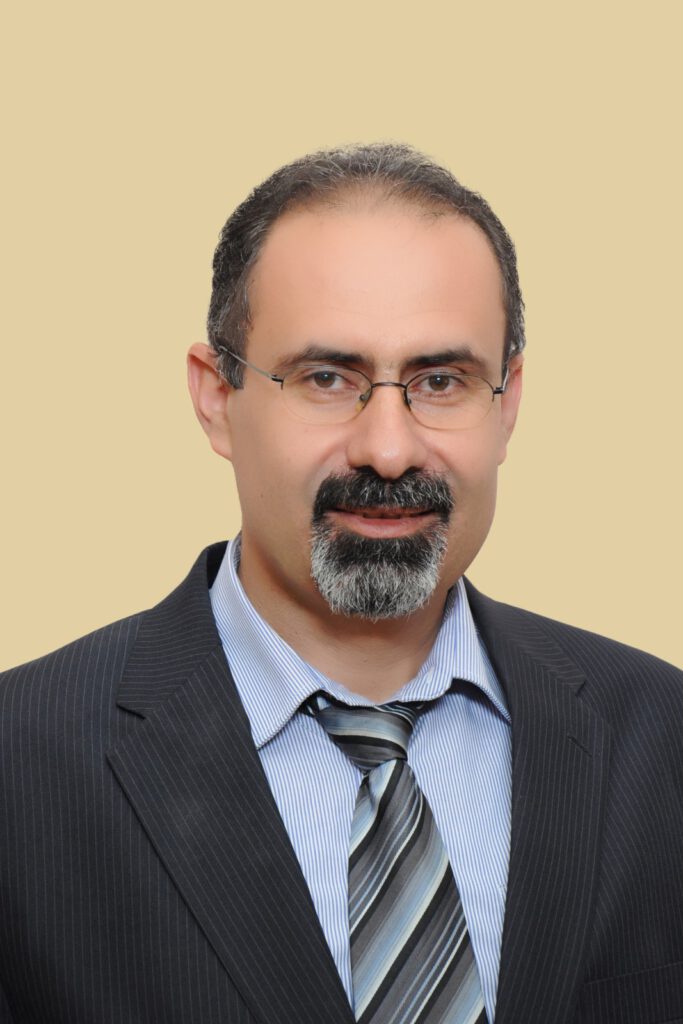
Prof. Dr. Mazen Salman
Professor of microbiology, olive tree expert. Corresponding author of the founding research.
Debopriya Chakraborty
Supporting Colea on metabolic engineering and fungal systems.
Eleni Kapeti
Supporting Colea on bioreactor design and scale-up.
Working with a mill, a fund, or the fungus itself? Let’s talk.
Prefer email? Write to thaer@colea.earth directly.